وصف المنتج:
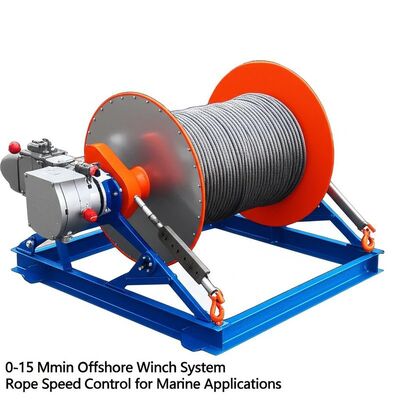
الرافعة البحرية هي قطعة أساسية من الآلات المستخدمة في السفن والمنصات البحرية. وتشمل وظائفها الأساسية التراجع والجذب وتحديد موقع الكابلات بدقة.من خلال دفع حبال الأسلاك الصلبة أو الكابلات الملفوفة حول طبل، يوفر الرافعة توتراً وسرعة قابلة للسيطرة. هذه القدرة تجعلها جهاز طاقة أساسي لتنفيذ مهام بحرية مختلفة مثل الارتكاز، والرسو، ومعالجة البضائع، والسحب،ودعم مشاريع الهندسة البحرية.
عادة ما يتم تشغيل أدوات الرافعة البحرية اليوم إما عن طريق أنظمة هيدروليكية أو كهربائية.ضمان موثوقية عالية وقدرة قوية على التعامل مع الحمولةبالإضافة إلى ذلك، تم تصميمها لتحمل البيئات البحرية القاسية، مع خصائص مثل مقاومة التآكل وصفات مقاومة للانفجار.الأنواع المختلفة من الدرابزين البحرية تشمل الدرابزين الرصيف، أدوات الرافعة، أدوات الجر، وأدوات الهندسة المتخصصة مثل أدوات رمي الكابلات في أعماق البحار.
تجد الرافعات البحرية تطبيقات واسعة على مختلف السفن ، بما في ذلك السفن التجارية وسفن المصانع البحرية وسفن البحوث والسفن الحربية العسكرية.وجودهم أمر حاسم في ضمان سلامة وكفاءة التشغيل للأنشطة البحرية، مما يجعلها مكونات لا غنى عنها في مجالات الهندسة البحرية والبحرية.
الخصائص:
القوة والأداء
يحتوي هذا المعدات إما على نظام محرك هيدروليكي أو كهربائي، وتوفر مخرج قوي وموثوق به من التوتر والسرعة.قادرة على التعامل مع مجموعة واسعة من المهام من تطبيقات الرصيف إلى متطلبات السحب في أعماق البحار.
السلامة والمتانة
تم تصميم هذا الجهاز مع آلية مكابح أمان متعددة المستويات شاملة بما في ذلك الفرامل الرئيسية والإسعافية والإسعافات الطارئة، هذا الجهاز يعطي الأولوية لسلامة المشغل والتشغيل.مزودة بمعالجة مكافحة للتآكل الثقيلة، يضمن المتانة الطويلة حتى في أكثر بيئات العمل صعوبة وقسوة.
الذكاء والتحكم
مجهزة بأنظمة تحكم متطورة ، يدعم الجهاز العمليات المحلية والبعيدة على حد سواء.والتي تعزز بشكل جماعي دقة المهام والكفاءة التشغيلية العامة.
متعددة الوظائف وتخصيص
هذا النظام يوفر مرونة كبيرة من خلال دمج مكونات مثل الملفات وأدوات قياس العمق. it can be tailored to meet the specific requirements of different vessel types and mission profiles—ranging from cable laying and scientific exploration to cargo handling—while ensuring compliance with various classification society standards.
المعلمات التقنية:
| نوع القناة |
خروط LBS أو خروط دوامة |
| وحدة الطاقة الهيدروليكية |
يمكن أن توفر |
| استخدام |
البحر، السفينة |
| الكلمات الرئيسية |
نظام الرافعة البحرية، نظام الرافعة البحرية |
| سرعة السلك |
الامتثال لـ ISO |
| سرعة الحبل |
بطيئة أو عالية |
| فئة حماية المحرك |
IP 54 |
| السرعة الاسمية |
0-15 م/دقيقة |
| الضمان |
12 شهراً |
| الميناء الرئيسي |
تيانجين الصين |
التطبيقات:
تطبيقات الرافعات البحرية
1تحديد موقع السفينة وربطها
هذا التطبيق هو أساسي وحيوي لضمان وضع السفن بأمان في مختلف البيئات البحرية.يتضمن معدات تساعد في تأمين السفينة إما مؤقتا أو لفترات أطول.
يلعب الرافعة دورًا رئيسيًا من خلال سحب سلاسل المرساة والمرساة، مما يتيح للسفن أن ترسو وتوضع بشكل آمن في المياه المفتوحة.
بالإضافة إلى ذلك، يتم استخدام أدوات الرفع في الموانئ أو الموانئ أو نقاط الرفع البحرية.يضعون الحبال المربوطة للأسطوانة (إما حبال سميكة أو كابلات فولاذية) ويقومون بتثبيت السفينة بقوة على الهياكل الثابتة أو السفن الأخرى. يمكن أن تُعدّل أجهزة الرافعة الآلية الحديثة التوتر في الكابلات تلقائيًا لتلبية التغييرات الناجمة عن المد والجزر أو العمليات مثل تحميل وتفريغ البضائع.
2نقل البضائع والموظفين
تشمل هذه الفئة الخدمات اللوجستية البحرية ونقل الأفراد على متن السفن.
تعمل أدوات رافعة سفن الشحن أو الهندسة كمصدر طاقة أساسي لرفعات السفن. فهي ضرورية لتحميل وتفريغ الحاويات أو البضائع السائبة أو المعدات أو الوحدات.
أجهزة الرافعة التي تقوم بتحريك الركاب أو إيقافهم أو أجهزة الرافعة التي تعمل على الممرات هي المسؤولة عن تشغيل الممرات التي تربط الرصيف بالسفينة.ضمان ركوب السيارات والركاب ونزولهم بأمان.
نظام نقل الموظفين يدير أقفاصًا أو سلة أو جسور نقل ، مما يسهل نقل الأشخاص بأمان بين السفن أو بين السفن والشاطئ.هذا النظام مهم بشكل خاص في تشغيل وصيانة طاقة الرياح البحرية.
3السحب والجذب
تتضمن هذه الوظيفة توفير أو مقاومة قوى التوتر على السفن للمساعدة في مختلف العمليات البحرية.
أجهزة كابلات سحب، وهي معدات أساسية على الزورق، تستخدم لنشر وسحب وتحكم كابلات السحب. تقوم هذه الآلات بمهام مثل المساعدة في الميناء والسحب في المحيط والإنقاذ البحري,يحتوي على قوة سحب عالية ، وتوتر ثابت ، وتراجع سريع للأسلاك.
تستخدم أدوات الرافعة على سفن مسح المحيطات لأدوات البحث العلمي مثل السونار المسحوب والسونار المسح الجانبي ومقياسات المغناطيسية.هذه الأدوات تساعد في رسم خرائط قاع البحر واستكشاف الموارد.
يتم استخدام أدوات شبكة قوارب الصيد على سفن الصيد الكبيرة المغلقة أو السلكية لرفع وشحن شبكات الصيد الواسعة.
4الهندسة البحرية والعمليات الخاصة
هذا المجال يمثل التطبيقات الأكثر تحديًا وتخصصًا من الناحية التقنية للدراجات البحرية.
تستخدم أدوات وضع الكابلات و أدوات وضع الأنابيب في السفن، و غالبا ما تصنف على أنها أدوات تحريك الأدوات، لتنفيذ كابلات الاتصال تحت الماء أو كابلات الكهرباء أو خطوط أنابيب النفط والغاز بدقة.هذه العمليات تتطلب إدارة الكابلات الاستثنائية والتحكم المتسق في التوتر.
تشمل أدوات أدوات منصة الحفر أدوات تحديد موقع المرساة وأدوات حفر لرفع قضبان الحفر وأدوات تعويض الرفع. هذه هي المكونات الحاسمة في عمليات الحفر في أعماق البحار.
تستخدم أنظمة الانسحاب ROV (المركبة التي تعمل عن بعد) و AUV (المركبة تحت الماء المستقلة) أدوات لفاف مخصصة لنشر واستعادة المركبات تحت الماء غير المأهولة بأمان.يلعب دورا حيويا في التفتيش تحت الماء، الصيانة، والاستكشاف العلمي
تساعد أدوات تثبيت طاقة الرياح البحرية السفن في مهام مثل قيادة الكومة، ورفع شفرات التوربينات والأبراج، وتأمين أنظمة الارتكاز اللازمة لعمليات تحديد المواقع الديناميكية.
5الإنقاذ والسلامة البحرية
مصممة لفائف سفن الإنقاذ والإنقاذ لتصحيح ورافعة السفن المتضررة أو المضطربة وتنفيذ مهام الإنقاذ في أعماق البحار.
قوارب النجاة والقوارب الإنقاذية تحكم أدوات إطلاق قوارب النجاة واستعادة قوارب النجاة ورفوفها، وتعمل كمعدات حاسمة لضمان سلامة الحياة البحرية أثناء حالات الطوارئ.


 يجب أن تكون رسالتك بين 20-3000 حرف!